
A digitally restored collection celebrating a century of Arab cinema's forgotten poster art.
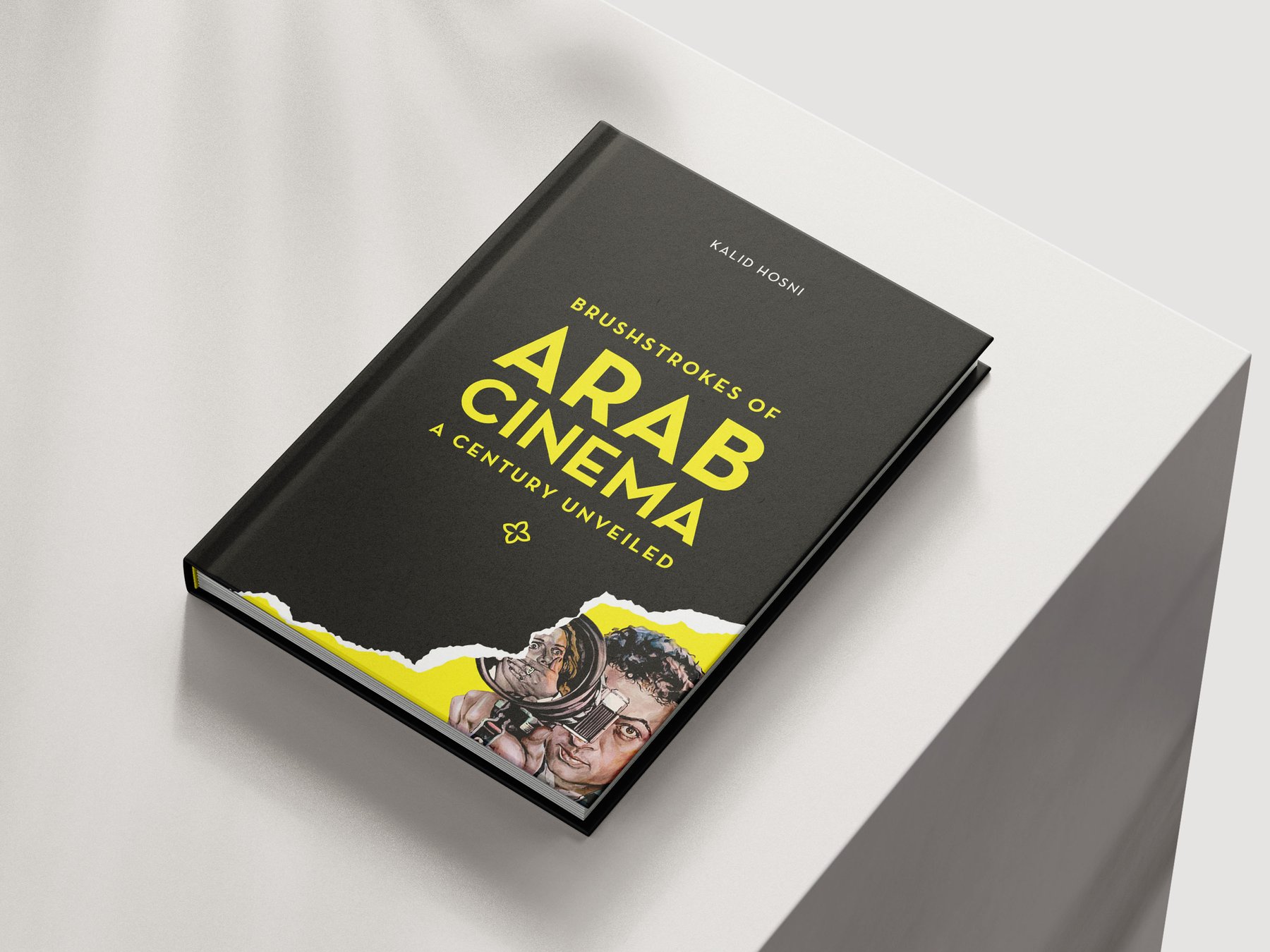
Brushstrokes of Arab Cinema: A Century Unveiled is a personal project that grew out of more than 15 years of collecting and digitally restoring film posters, a passion that eventually became an exhibition, a book, and a small act of cultural preservation.
As a film aficionado and avid collector of film posters from around the world, Arab cinema has always held a special place. Born into a family that emigrated from Lebanon to Australia during the 1975 Lebanese Civil War, Arab cinema was never far from home growing up in Melbourne. My parents would head to the local Lebanese video hire store in Coburg and rent or buy VHS tapes of Arab films. Watching them wasn't just entertainment. It was connection. A sense of home for parents far from the country they grew up in, and for me, a window into a world that was both familiar and foreign at the same time.
In my adulthood, I found myself increasingly drawn to the painted posters that once adorned the streets, theatres, and markets of Cairo, Beirut, and Damascus. Works of art created by largely unknown artists, never properly archived, and gradually lost to time through war, censorship, fire, and neglect.
Growing up in Australia, we experienced Arab cinema almost entirely through the films themselves. The promotional world around them, the posters that plastered cinema walls in Cairo or Beirut, the painted artwork that made these films come alive on the streets, never made it here. Many people in the diaspora share that same gap. They know the films. The art behind them is something else entirely.
The project took two years to bring to life. The research went well beyond libraries and archives: tracking down rare posters, studying the history of Arab cinema decade by decade, and in some cases contacting surviving family members of actors and artists to gather information that simply didn't exist anywhere else. Those conversations were some of the most meaningful parts of the whole project. Every aspect, the poster collection, the digital restoration, the writing, the book design, the exhibition curation, the marketing, and the distribution, was handled independently, outside of my professional design work. It is entirely self-initiated, self-funded, and self-published.
Arab cinema was not a footnote in world cinema history. It was a leading voice. During its golden years, it produced films of remarkable ambition and variety: sweeping musical dramas, sharp political satires, bold social commentaries, and deeply human stories of love, loss, and resilience. At a time when Western cinema was largely reducing the Arab world to caricature, Arab filmmakers were telling rich, nuanced, and progressive stories that deserve far wider recognition than history has given them.
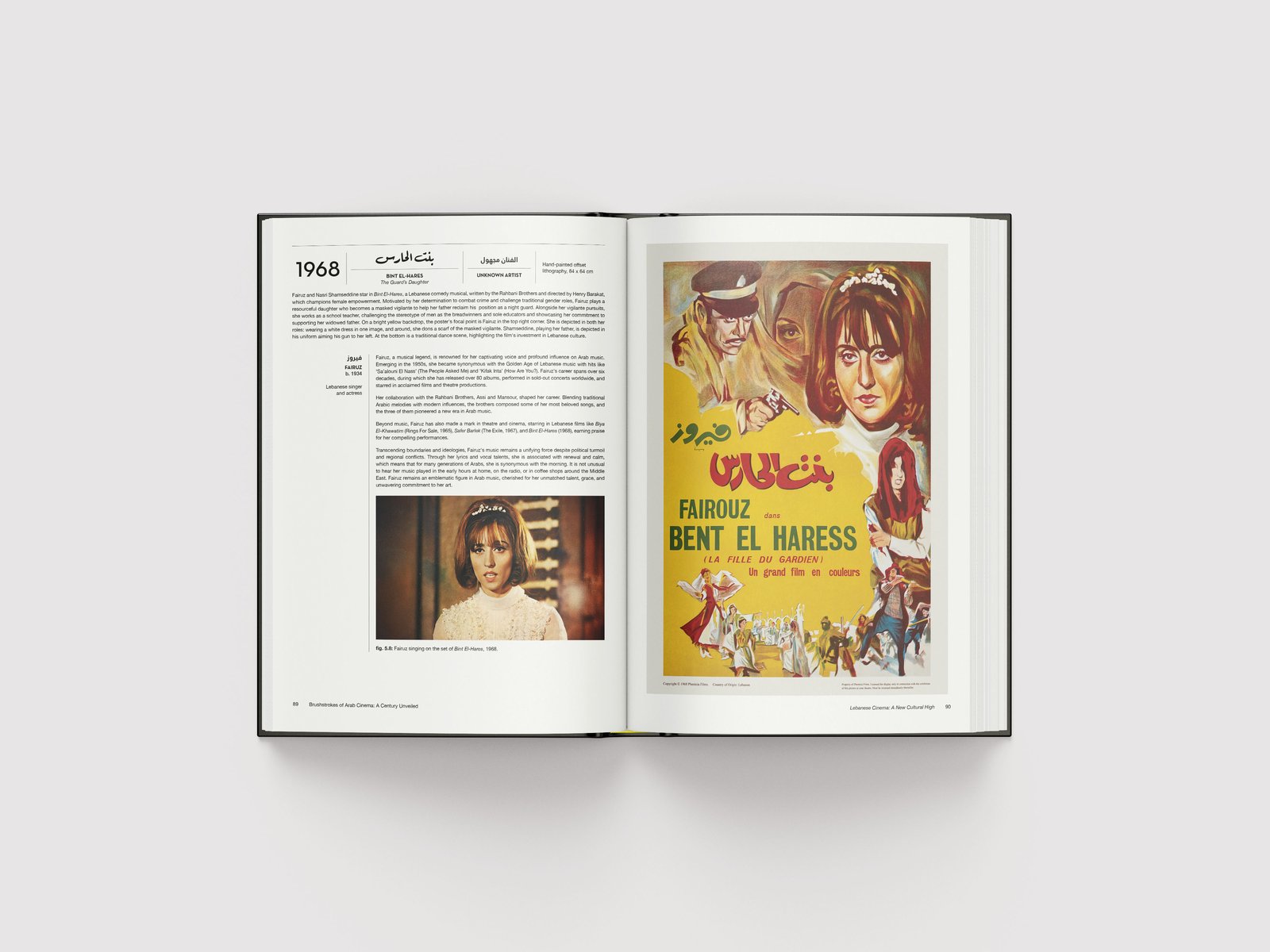
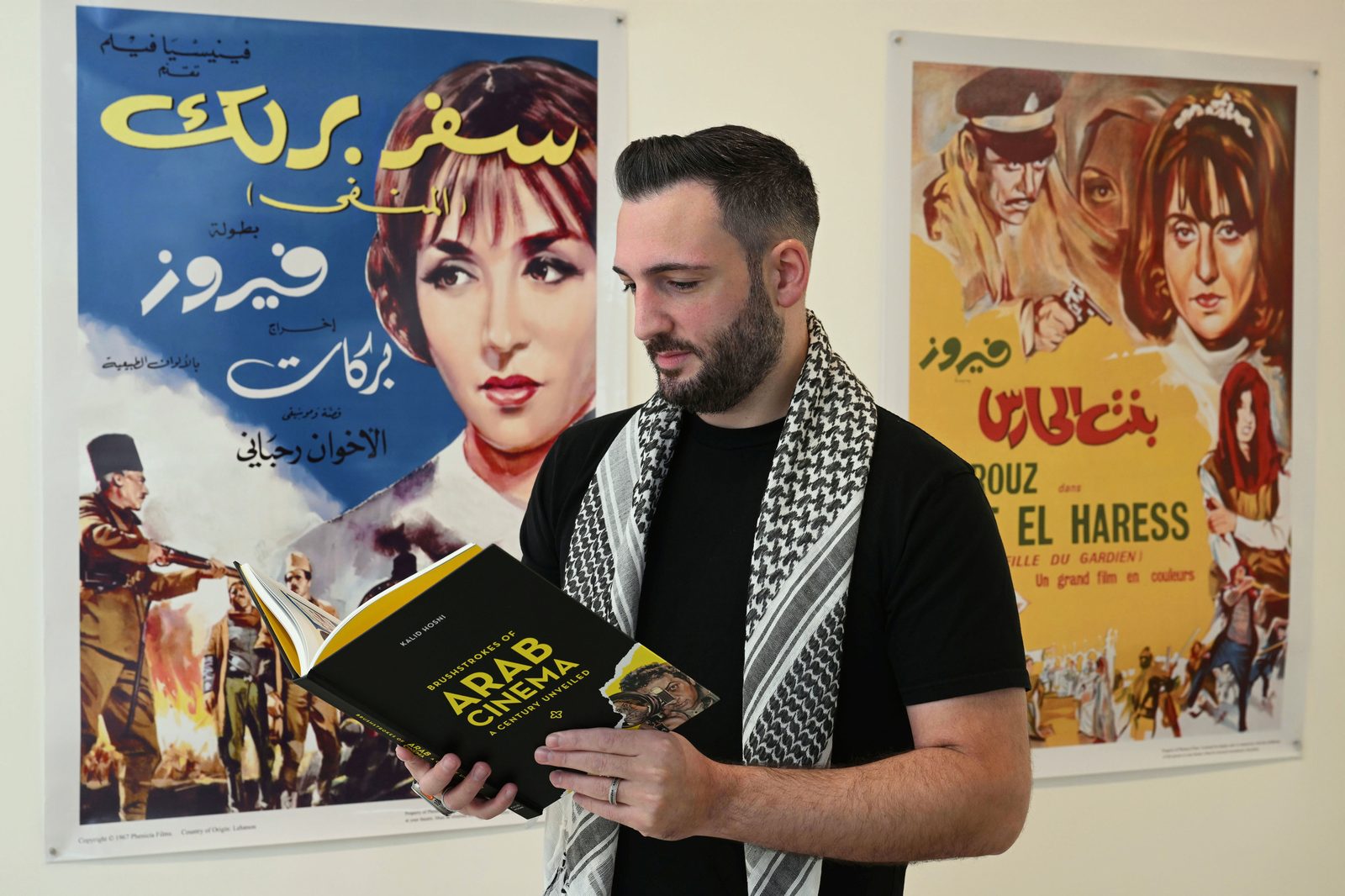
While Hollywood was building these caricatures, Arab filmmakers were doing something far more interesting. The Egyptian film Bab El Hadid (Cairo Station, 1958) tackled taboo subjects like sexual obsession and class struggle in ways that still feel daring today. The Lebanese musical Bint El-Hares (The Guard's Daughter, 1968) was a staple in my household and a personal favourite. Think of it as the Lebanese version of The Sound of Music: beautiful songs, full of colour, set against the backdrop of a heartfelt story. It also featured a strong, independent female lead at a time when such portrayals were rare anywhere in global cinema. Women in Arab cinema often held powerful roles, not just as love interests, but as central figures driving the story.
The posters that once advertised these films were more than promotional materials. They were cultural artefacts, hand-crafted works of art that captured the artistry, trends, and social context of their time. Many were created by unknown artists who never received credit. Most have been lost.
The rise of international film festivals and global streaming platforms is slowly giving Arab cinema new visibility. But the rich visual culture that surrounded it has largely been left behind. Brushstrokes of Arab Cinema sets out to change that.
The selection for the book and exhibition wasn't simply about picking famous films. Some posters are iconic, featuring legendary singers and cultural figures like Umm Kulthum and Fairuz. Others highlight lesser-known films that deserve far more recognition than history has given them. Every poster in the collection was chosen because it tells a story worth preserving.
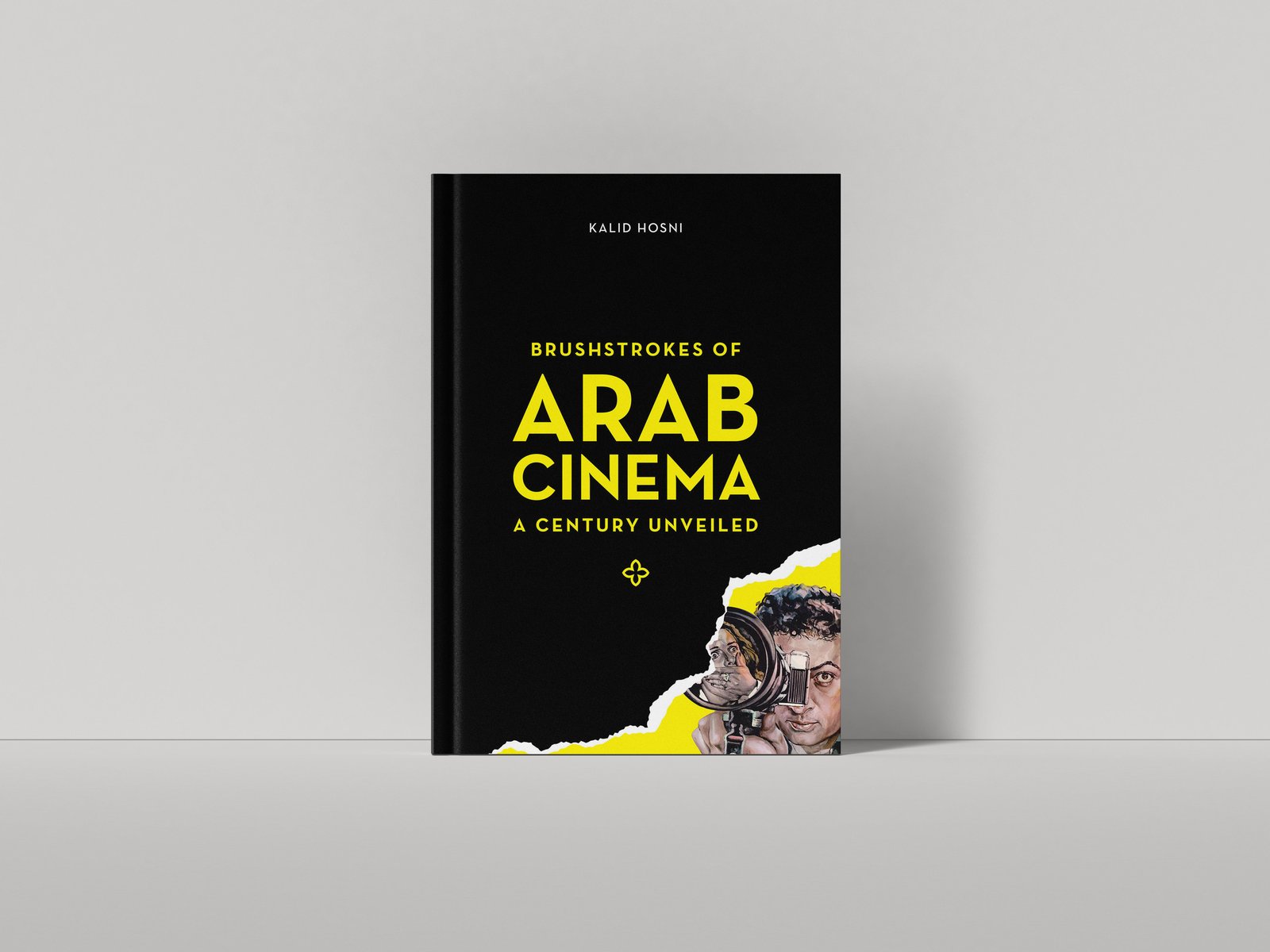
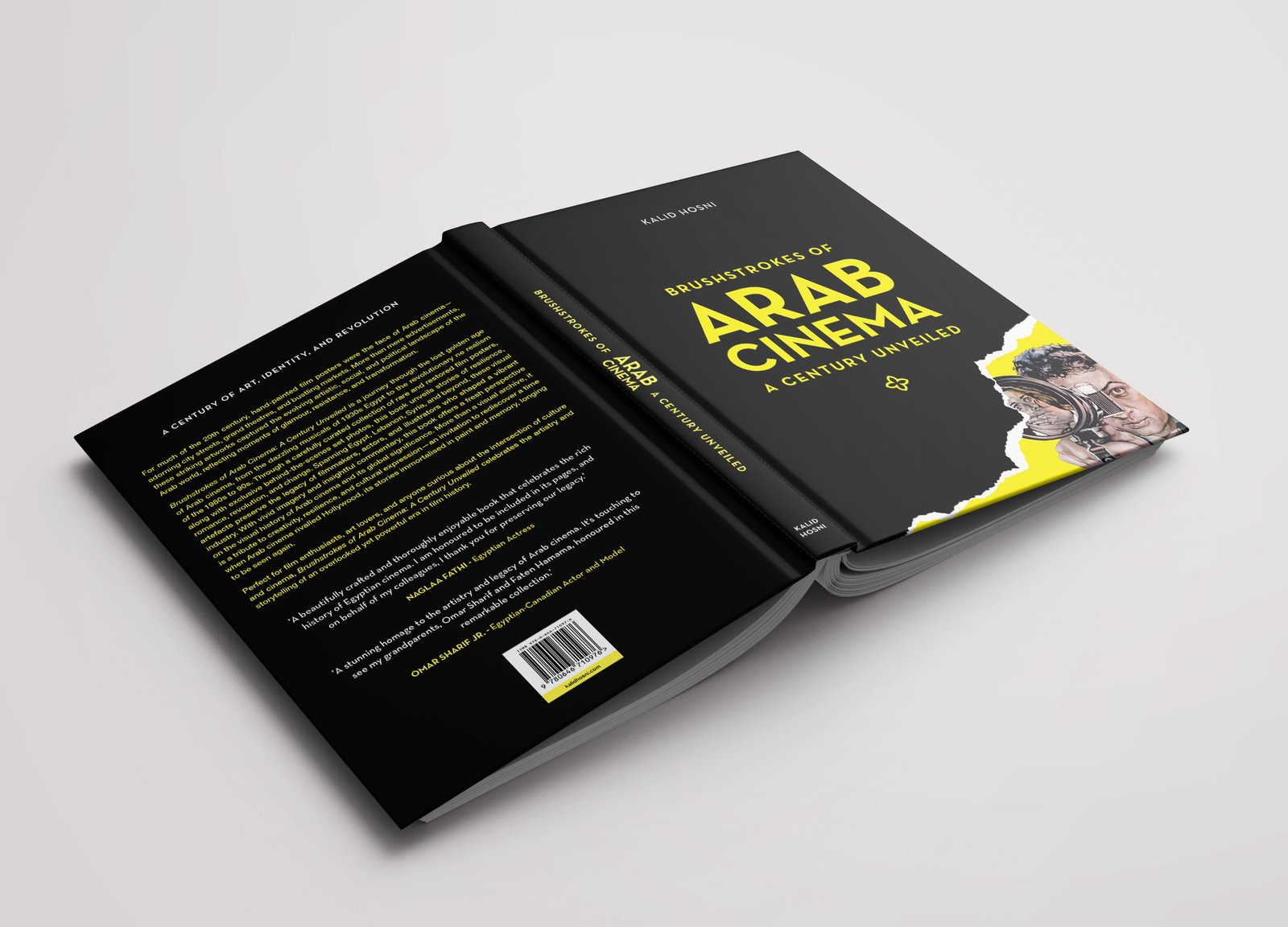
Brushstrokes of Arab Cinema: A Century Unveiled is a 162-page hardback coffee-table book, self-published and released on 3 April 2025.
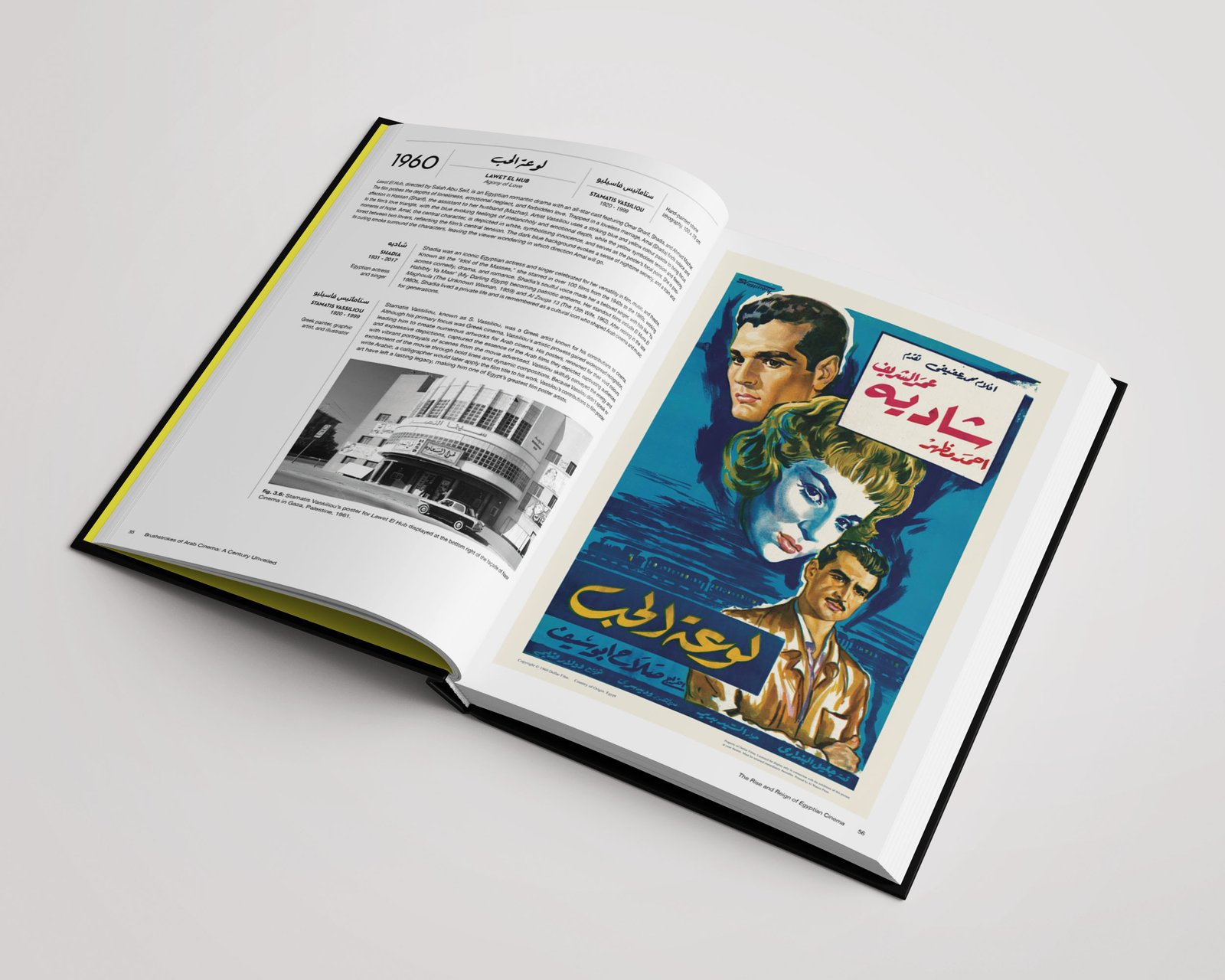
It brings together 40 rare and restored film posters spanning a century of Arab cinema, each one personally collected, digitally restored, and retouched. Alongside the poster artwork, the book features historical commentary, exclusive behind-the-scenes set photographs, and contributions from collectors and cultural figures across the Arab world.
The book sold over 50 copies in its first week and sold out completely within its first year of release. It is stocked at Readings Bookstores and Metropolis Bookshop, available on Amazon and eBay, and has found its way into select cinemas and community bookshops around the world.
In October 2025, the project extended into a film screening collaboration with The Sun Theatre Yarraville, where two films from the collection were screened to promote the book: Bint El-Hares (The Guard's Daughter, 1968) and Safar Barlek (The Exile, 1967).
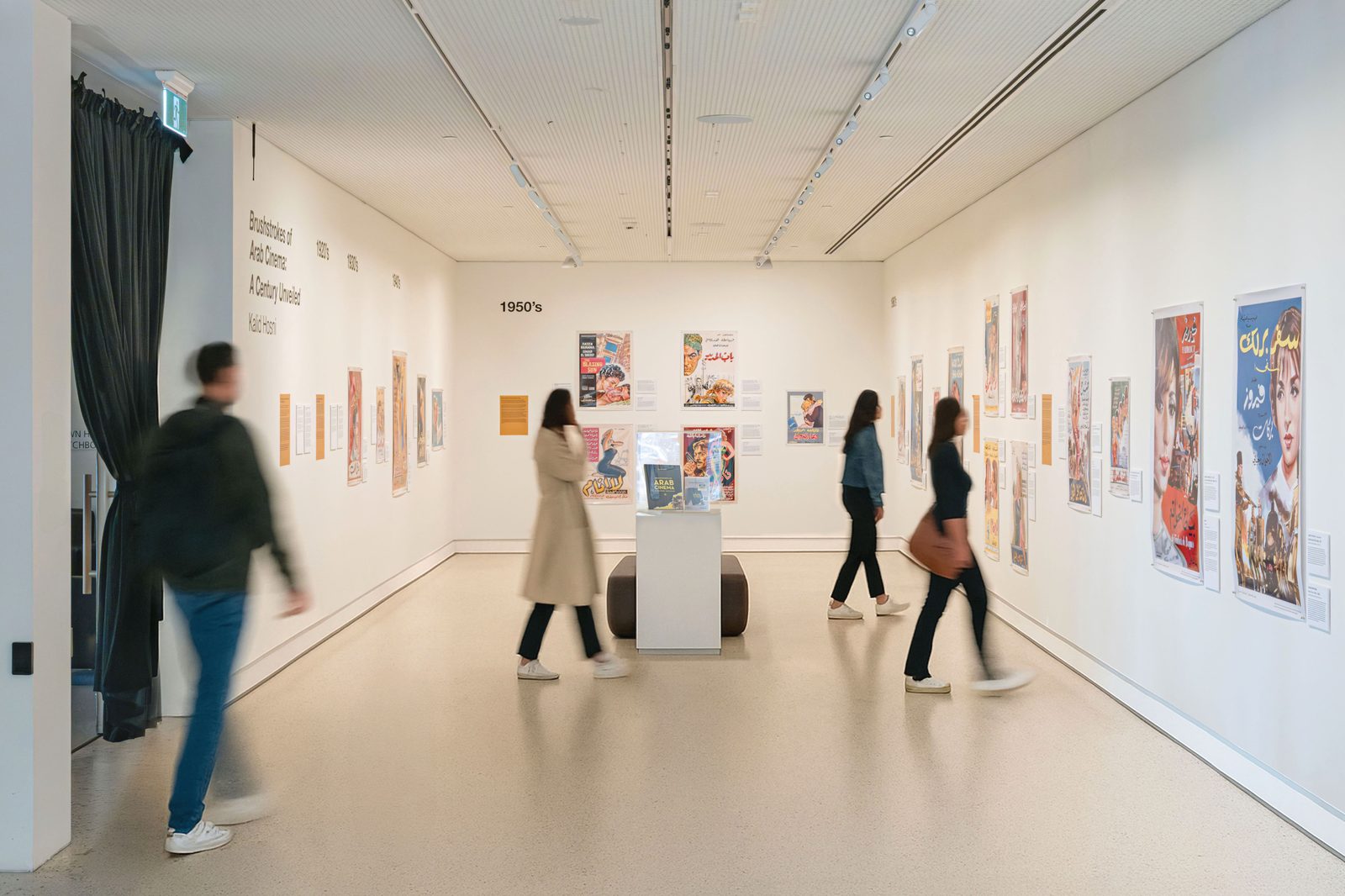
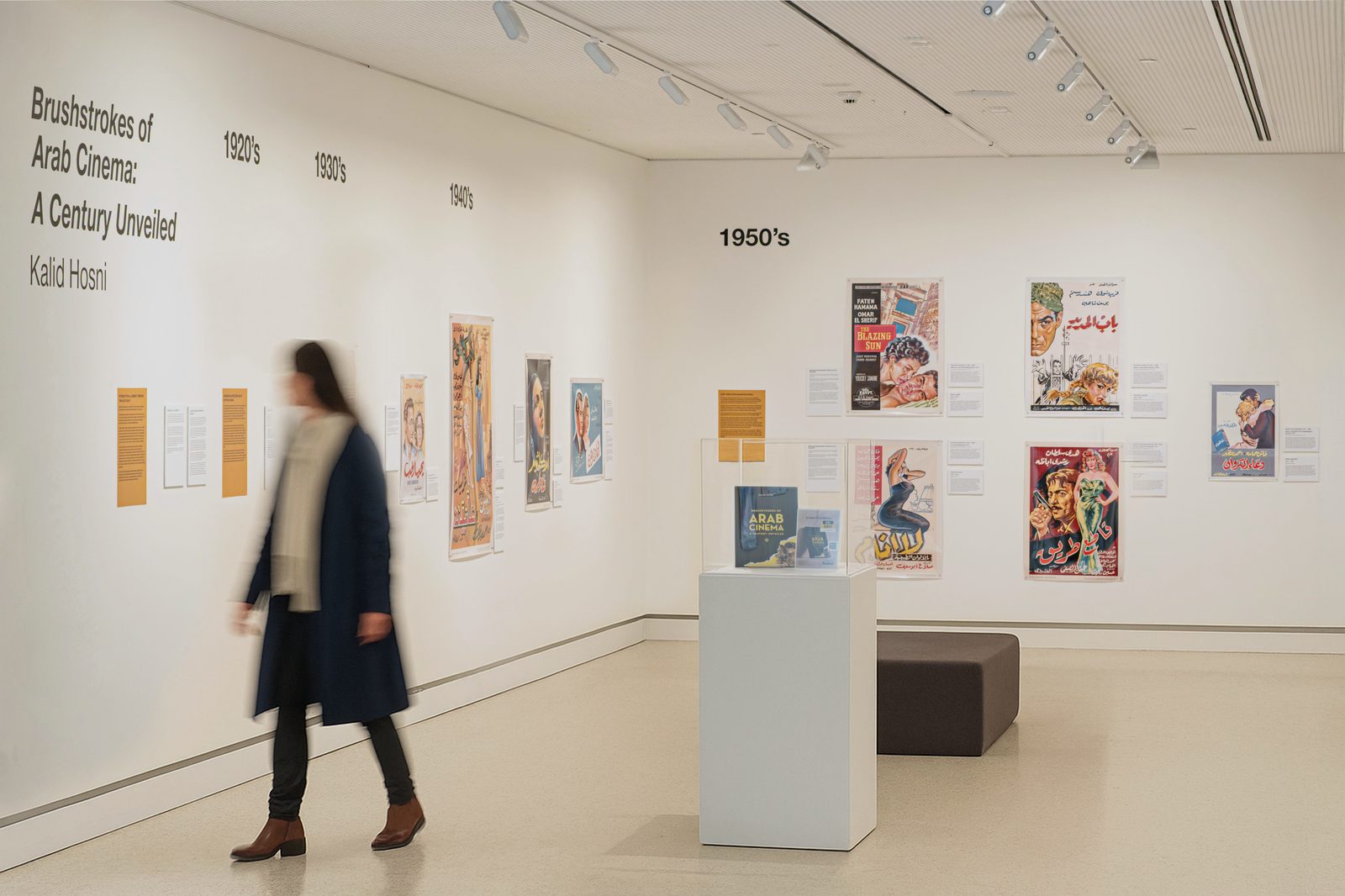
Brushstrokes of Arab Cinema: A Century Unveiled launched as a free public exhibition at Broadmeadows Town Hall on 19 March 2025, in partnership with Hume City Council, running until 6 June 2025.
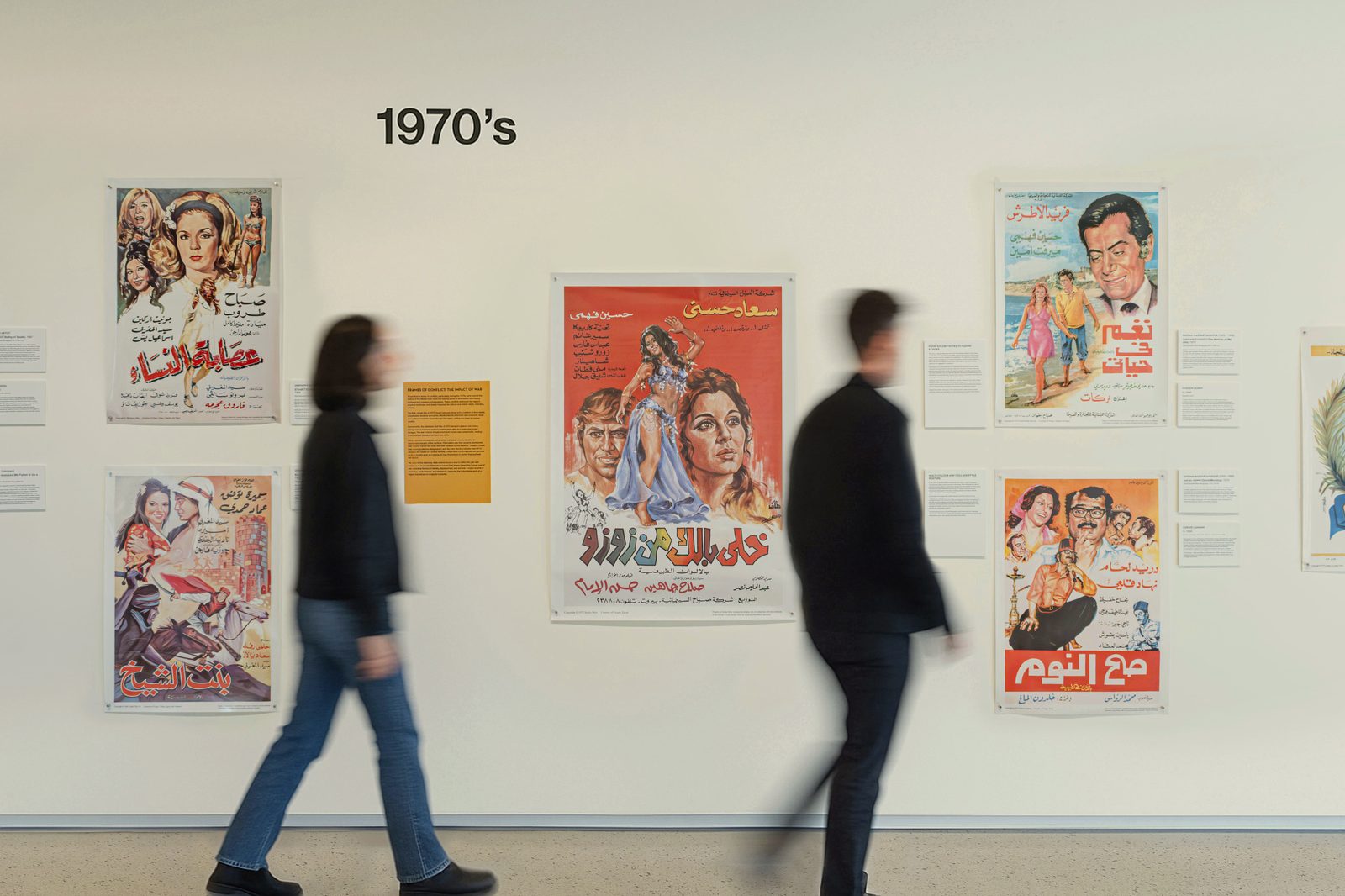
More than 100 people attended the opening night, and the exhibition drew strong community engagement across its three-month run. It showcased all 40 restored posters from the collection, arranged chronologically from the 1920s through to the 1990s, walking visitors through decade by decade, from Egypt's golden age of glamorous musicals and melodramas, through the politically charged cinema of the 1950s and 60s, to the neorealist and social dramas of the 70s, 80s, and beyond. Each poster was accompanied by essays exploring the artistic, cultural, and historical context behind it.
The exhibition was covered by Northern Star Weekly, featured on SBS Arabic Radio, and received a community media interview on 3WBC Downtown Radio.
Affiliated with








Praise from those featured or connected to the book.
Hear from them
Egyptian-Canadian Actor and Model
Hear from them
Egyptian Actress

Hear from them
Egyptian-American Actor and Director


 Home
Home